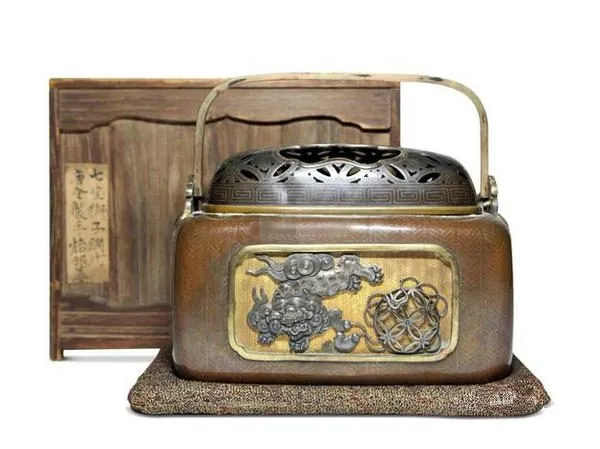
Pictured is an accessory for women — more precisely, a 手炉: a shoulu, or shoulun.
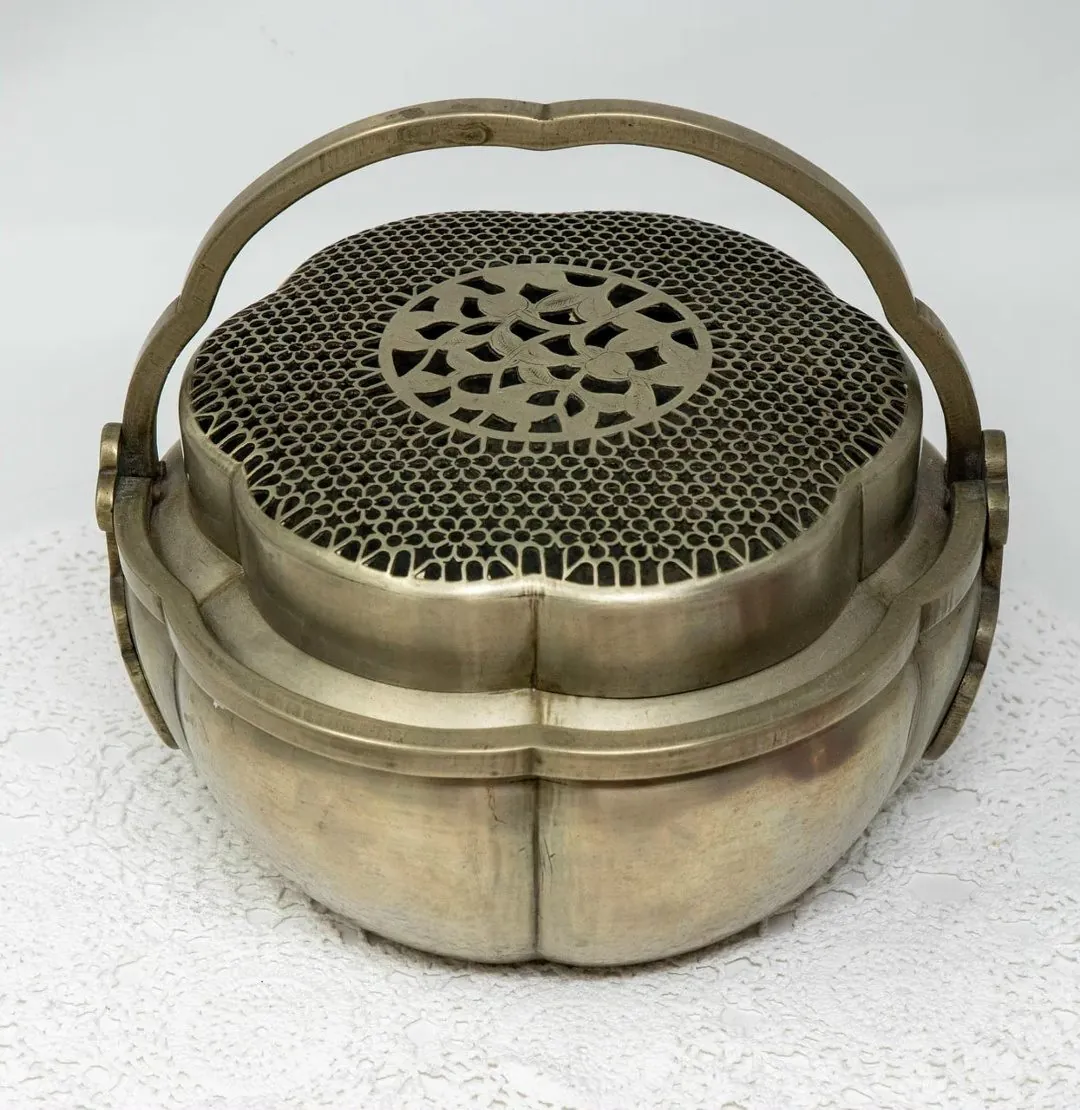
It was used by the nobility; for commoners such a thing was out of reach.
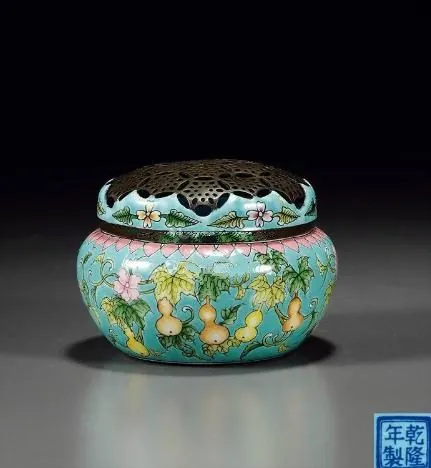
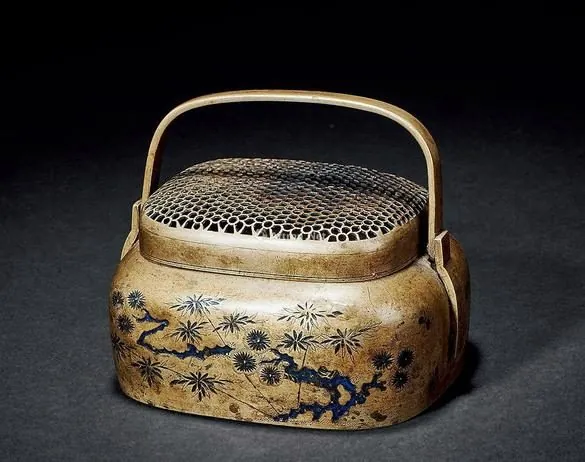
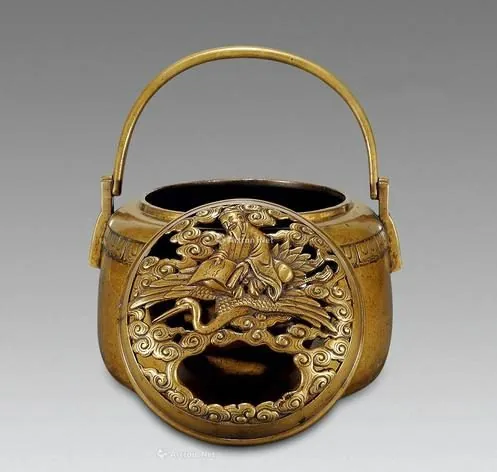
The shoulu is a miniature portable brazier, usually made of copper or bronze. Later, metal alloys appeared. Its chief visual feature is the lid, with its skilful pierced carving, through which the warmth flowed gently. Inside went a special slow-smouldering charcoal. It gave off no smoke at all, and thanks to the carefully considered construction the warmer held a comfortable temperature and did not burn the hands.
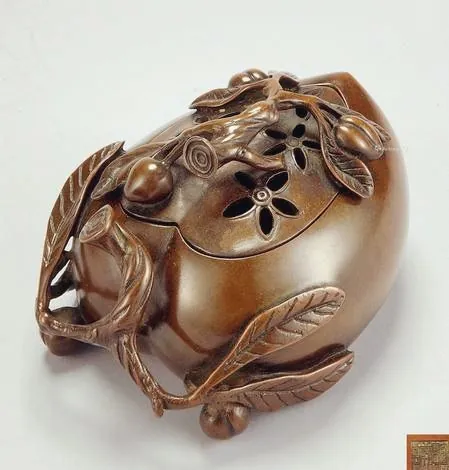
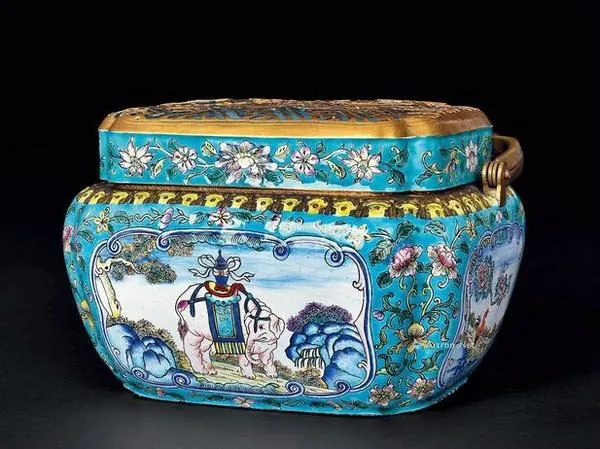
In the imperial palaces and the wealthy estates the warmer was not simply a household object but a marker of power. The refinement of the engraving, the presence of enamel or gilding, and the quality and quantity of charcoal issued to a person all depended directly on their rank.
Cold hands, moreover, cost them their "face" — their appearance — which was quite unacceptable for an aristocracy obliged to display hands of snowy whiteness and delicacy. And that aristocracy used the object ready-made: the cleaning, the preparing of the charcoal and the carrying of it by its handle were the servants' work, naturally.
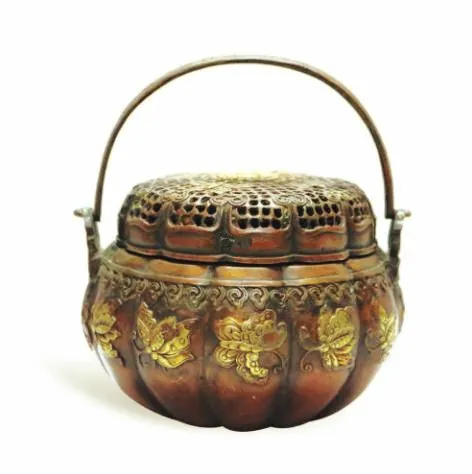
There were, most likely, an endless number of forms and styles, but two stand out. The hand-held, portable kind, for a noblewoman out walking, in conversation and so on — held in the hands or on the lap, in which case the hands were held over it as over a fire. And the household kind, generally larger, into which incense was more often placed, to fill the house with fragrance.
According to the principal Chinese tradition, the first true portable hand warmer appeared in the time of the Sui dynasty, around the sixth to seventh centuries.
Emperor Yang of Sui set off on a winter journey to the southern region of Jiangdu — the modern city of Yangzhou. That winter proved unusually severe: piercing icy winds blew, and the emperor, accustomed to comfort, suffered badly from the cold on his journeys and at his receptions.
A local official, wanting to distinguish himself and to warm his sovereign, urgently summoned the best smiths and coppersmiths of the city. He set them a task: to create a small, elegant brazier that could be held in the hands easily and safely. The craftsmen produced a magnificent copper vessel with a skilfully worked lid, which did not scorch the palms but gave a soft, lasting warmth.
Emperor Yang was so delighted with the invention that he called it a "hand-warming stove" — which is what shoulu translates as — and did not part with it until the cold was over. It was after this episode that shoulu became extraordinarily popular at court, and the city of Yangzhou was renowned for centuries afterwards as the centre of production for the finest and most skilful warmers in the whole empire.
In modern historical dramas — The Story of Ming Lan, say, or Empresses in the Palace — these elegant objects appear constantly, creating the inimitable atmosphere of the traditional domestic life of China's rulers and empresses. Next time you watch a Chinese historical series, do look out for this marvellous detail.
I have prepared, for instance, a clip from Empresses in the Palace — attached to this piece — in which you can see the hand-held type of shoulu in direct use.
The object in the first photograph I bought from a collector and China specialist; I very much wanted to write about it. In the remaining photographs you can see the various forms a shoulu can take.

I strongly advise against using this object for its original purpose, given the fire risk. If you put an artificial candle inside, however, a pleasant, patterned dance of shadows on the walls and ceiling is guaranteed.